· 3 min read · By 21grams
What is Balkan food? A beginner’s guide in Dubai
New to Balkan cuisine? Meet the breads, pastries, grills and spreads of the Balkan Peninsula — and where to try them in Dubai.
Ask ten people in Belgrade, Sarajevo, Skopje or Sofia what Balkan food is and you will get ten answers — and probably an invitation to lunch. The Balkan Peninsula sits at a crossroads: Central Europe to the north, the Mediterranean to the south, Anatolia and the Middle East to the east. For centuries its kitchens absorbed ideas from all of them and turned them into something unmistakably their own.
At 21grams we call it soul food: generous, seasonal, slow and made to share. If you have never eaten Balkan food before, this guide will help you read our menu — and any Balkan menu — with confidence.
Bread comes first
Every Balkan table starts with bread. Somun, a soft, round flatbread with a crisp crust, is torn by hand and used to scoop up everything else. Buhtla is a softer, enriched bread. At 21grams bread is baked fresh throughout the day, and it is the base of dishes like our komplet egg and the cheese somun tostie.
Phyllo: the pride of the region
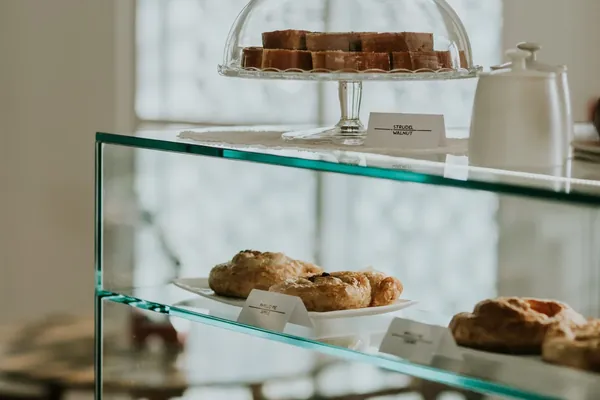
Thin sheets of dough, stretched by hand until you could almost read through them, then layered with cheese, spinach, meat or fruit and baked until golden: this is burek and its family of pies. The technique arrived with Ottoman cooks and became a daily ritual across the Balkans. Our phyllo pies — goat cheese, honey and thyme; creamy spinach; blueberry with brown butter cream cheese — come straight out of the oven.
Grills and slow cooking
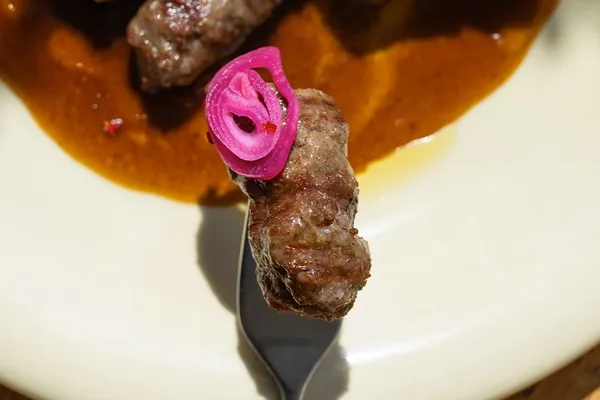
The Balkans love fire. Ćevapi, small hand-rolled kebabs, and pljeskavica, a wide patty often stuffed with cheese, are the classics of the grill. At the other end of the patience scale sits sarma: cabbage leaves fermented for weeks, rolled around minced meat and simmered for hours. Both are on our soulfood menu — the ćevapi made with wagyu beef, the sarma with minced and pulled beef and mashed potato.
Spreads, relishes and dairy
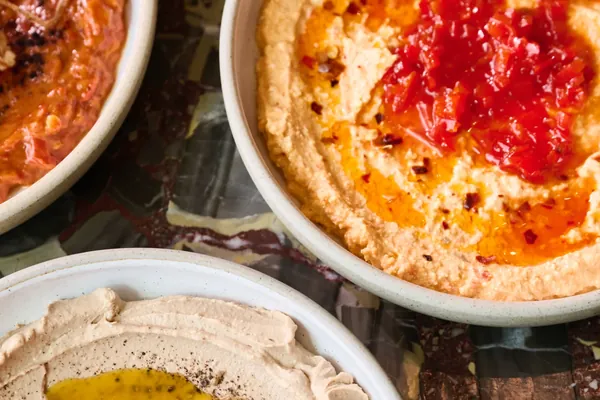
No Balkan meal is complete without something to spread. Ajvar is a relish of roasted red peppers; pindjur adds tomato and chili; urnebes is a fiery cheese spread whose name roughly means ‘chaos’. Kajmak, a rich clotted cream, appears at breakfast and at dinner. White cow cheese, crumbled over salads like shopska, is everywhere. These flavours run through our menu — pindjur in our signature eggs, kajmak in the princess crepe.
Vegetables, pickles and seasons
Balkan home cooking is deeply seasonal. Summer means tomatoes, peppers, zucchini and plums; autumn is for roasting peppers and filling jars; winter is for fermented cabbage and pickles. Our living pantry follows the same rhythm, which is why dishes like the zucchini moussaka with lentil and chickpea ragout, or the tomato salad with cherry dressing, change with the season.
Something sweet
Balkan desserts borrow from every neighbour: baklava from the Ottoman kitchen, cream pastries from Vienna, fruit compotes from the village. Tufahiya, poached apples with walnuts, comes from Bosnian tradition; our Test Kitchen serves it with vanilla sauce, sweet spiced walnuts and local edible flowers.
How to order Balkan food for the first time
- Start with bread and something to spread — let the table share.
- Order one dish from the grill (ćevapi or pljeskavica) and one slow-cooked dish (sarma or moussaka).
- Add a salad: shopska is the classic.
- At breakfast, try the komplet egg or pindjur eggs with a slice of burek.
- Finish with baklava or a crepe, and a strong coffee.
Balkan food in Dubai
Dubai has embraced the cooking of the Balkans in recent years, but places that cook it from family recipes are still rare. 21grams opened in 2018 as one of the first, and today holds a MICHELIN Guide Bib Gourmand. You will find us on the second floor of Meyan Mall in Umm Suqeim 2 — come hungry, and bring friends.